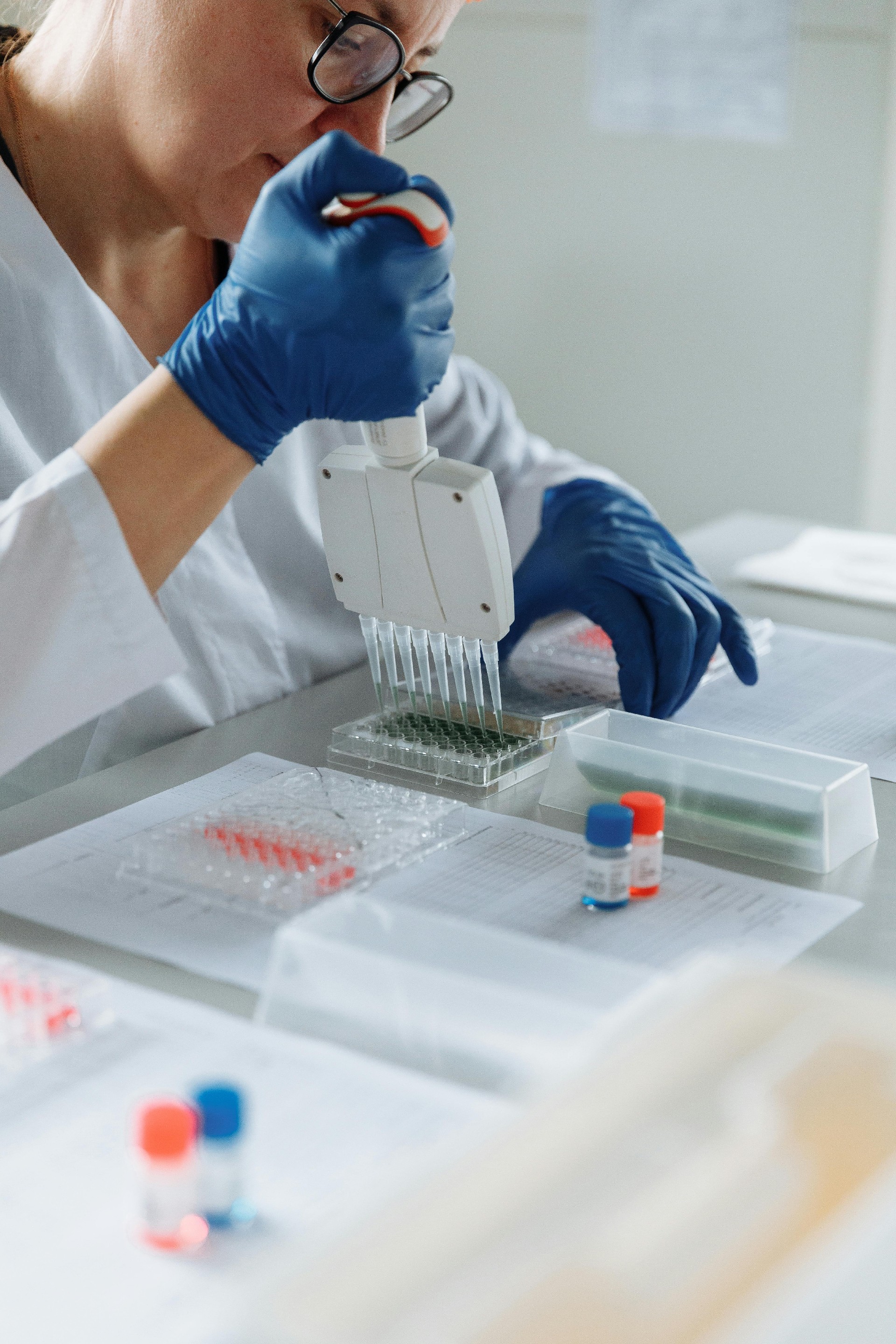
In recent years, more and more families have begun to realize their fertility plans through assisted reproduction. When learning about Mexico surrogacy, many people discover that doctors not only focus on egg retrieval, fertilization, and embryo transfer, but also particularly mention “blastocyst culture.” Many intended parents have questions when first encountering this concept: Why can’t embryos be transferred immediately after fertilization?
What Is Blastocyst Culture?
After the egg and sperm combine to form a fertilized egg, the embryo does not stop developing immediately but continues cell division.
Usually, the laboratory will culture the embryo for about 3 to 5 days. When the embryo develops to the fifth or sixth day, it forms a stage consisting of hundreds of cells with internal differentiated cell structures already appearing. This is the blastocyst.
Compared with early embryos, blastocysts have undergone more rounds of natural development, so the laboratory can observe their developmental speed, cell structure, and overall condition, providing more reference information for subsequent treatment.
Why Do Many Surrogacy Processes Use Blastocysts?
For families choosing Mexico surrogacy, blastocyst culture has become a relatively common process in modern assisted reproduction.
This is because embryos that can successfully develop to the blastocyst stage usually have better continuous developmental ability and are also closer to the time point when embryos enter the uterus in natural pregnancy. Therefore, in subsequent embryo transfer arrangements, blastocysts can help doctors formulate transfer plans more reasonably and improve overall treatment efficiency.
Of course, not all fertilized eggs can eventually form blastocysts. Embryos themselves undergo natural selection during the culture process, which is also one of the important reasons for continuous laboratory observation.
How Does Blastocyst Culture Work with IVF-PGT?
Since embryo genetic testing usually requires obtaining a small number of cells at the blastocyst stage for analysis, blastocyst culture has also become an important foundation for IVF-PGT.
Through IVF-PGT, embryos with better developmental potential can be screened, improving overall pregnancy efficiency while reducing the risk of miscarriage caused by chromosomal abnormalities. Therefore, for families preparing to enter the surrogacy process, blastocyst culture and IVF-PGT are often combined to help doctors formulate more scientific embryo transfer strategies.
Blastocyst culture is only one link in the assisted reproduction process, but it provides an important foundation for subsequent embryo evaluation, IVF-PGT, and surrogacy transfer. With continuous advances in laboratory culture technology, more and more families can obtain a more stable and scientific assisted reproduction experience. In the process of continuously understanding knowledge related to Mexico surrogacy, they can also more comprehensively understand the entire treatment process and prepare well for every future step.
Power Fertility Clinic is a fully licensed reproductive medical institution in Mexico that follows U.S. FDA standards and is directly operated by a U.S. assisted reproduction service team. It is located in the center of Mexico City, 500 meters from the U.S. Embassy. Power IVF provides diversified fertility solutions, including egg donation, sperm donation, and third-party reproduction services, combined with U.S. IVF technology to assist advanced-age pregnancy preparation groups. The clinic is equipped with high-precision laboratories and is proficient in IVF-PGT and embryo screening, with leading success rates. Mexican regulations support IVF needs for single, married, and LGBTQ groups, allow cross-border transportation of frozen tissue, and Power IVF has obtained permission to receive U.S. frozen egg samples, paving a smooth fertility path for you.